

DIKULT
DIKULT (Accessibility and Inclusion as the Foundation of Inclusive Cultural Heritage and Tourism in Slovenia and Croatia) is a cross-border project aimed at improving the accessibility of cultural heritage and tourism services for persons with disabilities, older visitors and other users who encounter various barriers when visiting cultural sites. The project brings together Slovenian and Croatian partners to foster more inclusive cultural tourism. It focuses on physical, digital and communication accessibility at selected cultural heritage sites and on developing solutions that enable visitors to enjoy more independent, accessible and meaningful experiences.
As part of the project, the partners will assess the current level of accessibility at selected sites, develop digital guides and other accessible solutions, implement pilot activities and prepare recommendations for improving the accessibility of cultural heritage across the cross-border region. Particular emphasis will be placed on involving persons with different types of disabilities and functional limitations in the planning, testing and evaluation of the proposed solutions. The project contributes to the development of accessible and inclusive tourism while increasing the visibility of the cultural heritage of Slovenia and Croatia as an open and welcoming destination for all visitors.
Partners
Lead Partner:
Municipality of Majšperk
Project Partners:
Beletrina
Zagorje Development Agency (ZARA)
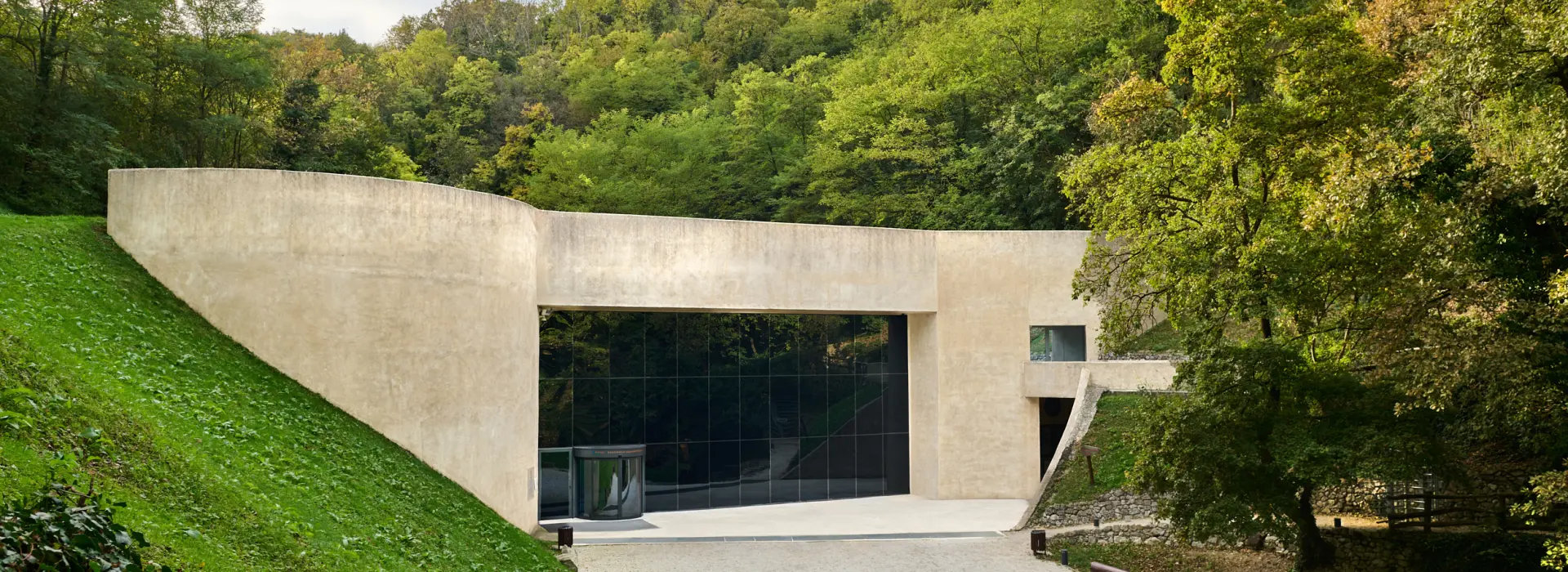
Museums of the Croatian Zagorje (Krapina Neanderthal Museum)
Rogatec Institute for Culture, Tourism and Development
Trakošćan Castle
Project Objective
The objective of the project is to improve the physical, digital and information and communication accessibility of cultural content for persons with disabilities, older people, pregnant women and all visitors with reduced mobility through the development and implementation of innovative solutions at four pilot sites, thereby contributing to the recovery and strengthening of cross-border tourism and to its competitiveness and resilience.
Project Focus
The project brings together and goes beyond existing practices in accessible tourism and heritage through a comprehensive and long-term approach. Its main innovative component is the combination of several aspects:
- Integration of physical, digital and communication accessibility: Most existing initiatives focus only on individual aspects of accessibility, primarily physical accessibility. The DIKULT project systematically integrates all aspects of accessibility and develops a comprehensive methodology for improving accessibility in cultural tourism.
- Direct involvement of users with disabilities and other difficulties, as well as accessibility experts: All stages of the project involve people with different types of disabilities and functional limitations, including persons with physical disabilities, people who are blind or visually impaired, people who are deaf or hard of hearing, people with cognitive disabilities and older people. This ensures that the solutions developed respond to users' actual needs and habits.
- Pilot implementation at four different sites: The diverse pilot sites – a castle, a museum, a historic outdoor site and cultural heritage in a natural setting – enable accessible solutions to be tested in different environments. This will ensure that the solutions can be adapted to different types of heritage sites and different visitor groups, while also making the methodology applicable to other sites in the EU.
- Development of digital guides as accessible alternatives: Digital guides are not merely a supplement to on-site visits; they can also provide an alternative for people who are unable to physically access the sites. In this way, the project addresses the challenge of preserving and presenting cultural heritage in cases where physical adaptations are often not possible due to heritage or architectural protection requirements.
Project duration: 30 months (1 April 2026 – 30 September 2028)
Total project value: EUR 1,617,872.00
Total ERDF funding: EUR 1,294,298.00
Total funding for the Museums of the Croatian Zagorje: EUR 296,686.00
ERDF funding for the Museums of the Croatian Zagorje (80%): EUR 237,348.80
Museums of the Croatian Zagorje co-financing (20%): EUR 59,337.20
Contacts
Nikolina Ileković, Curator
E-mail: nikolina.ilekovic@mhz.hr
Jelena Šekrst, Curator
E-mail: jelena.sekrst@mhz.hr